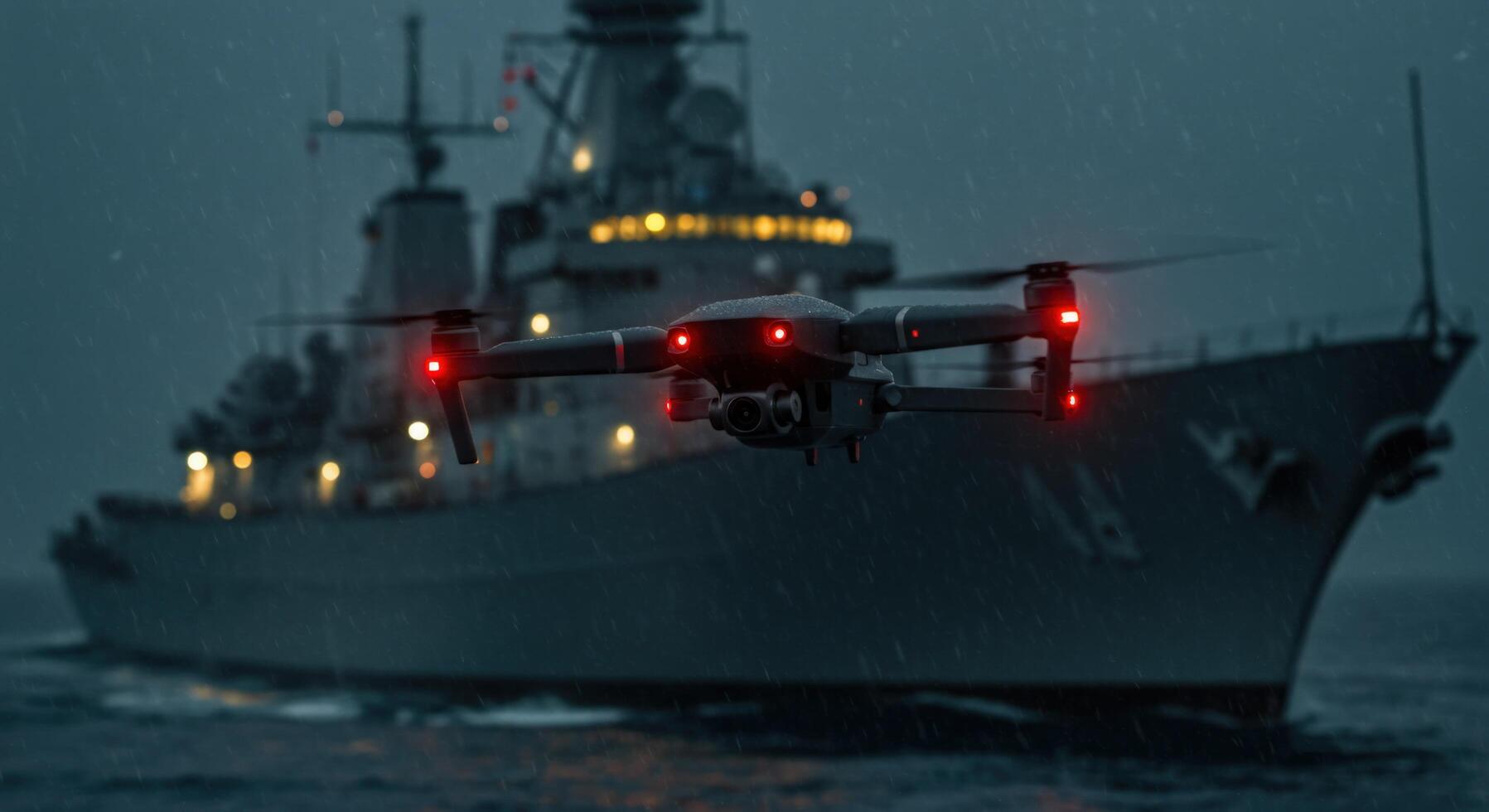
In today’s rapidly evolving technological landscape, military drones are literally reshaping the battlefield. Initially perceived as simple reconnaissance tools, these unmanned aerial vehicles (UAVs) now play a pivotal role in modern warfare, offering unprecedented capabilities. This article explores the diverse types of military drones, their advanced capabilities, and their significant applications in contemporary military operations. Along the journey, you’ll also find details about Acecore and how it fits into the drone ecosystem.
Advanced Capabilities of Military Drones
Military drones are designed with a wide array of advanced capabilities that serve various strategic purposes. These include:
- Surveillance and Reconnaissance: Drones can hover over high-risk zones and provide real-time intelligence, reducing the need for ground personnel and enhancing situational awareness.
- Precision Strikes: Armed drones offer the precision needed for targeted strikes, minimizing collateral damage and increasing mission effectiveness.
- Communications Relay: Some drones act as airborne communication hubs, ensuring secure and reliable information exchange across different units.
- Electronic Warfare: Certain advanced drones are equipped with jamming devices to disrupt enemy communications and radar systems, adding a strategic advantage.
Types of Military Drones
Military drones come in various shapes and sizes, each tailored for specific tasks and operations. Here’s a breakdown of key types:
- Micro and Mini Drones: These compact UAVs are ideal for close-range operations, providing continuous surveillance and valuable aerial perspectives in urban environments.
- Medium Altitude Long Endurance (MALE) Drones: MALE drones, such as the MQ-9 Reaper, are designed for reconnaissance and combat roles, offering long-duration flight capabilities.
- High Altitude Long Endurance (HALE) Drones: Operating at higher altitudes, HALE drones like the Global Hawk can monitor large geographic areas and gather strategic intelligence over long periods.
Modern Applications in Military Operations
The versatility of military drones has led to their widespread use in a variety of modern operations:
- Anti-Insurgency Operations: In regions plagued by insurgency, drones provide essential intelligence and support for ground forces, enhancing mission outcomes.
- Border Surveillance: Military drones are pivotal in securing national borders, equipped with sensors and cameras that track cross-border activities and potential threats.
- Coastal and Naval Operations: Drones are employed to monitor maritime environments, providing critical data for anti-piracy and other naval tasks.
- Humanitarian Missions: Beyond warfare, military drones assist in disaster management and humanitarian relief by delivering supplies and assessing damage in inaccessible areas.
The Future is in the Skies
As technology continues to advance, the future of military drones looks more promising than ever. Innovations in AI and machine learning are driving developments toward more autonomous and versatile UAVs. Such advancements could lead to drones capable of learning and adapting in real-time, enhancing both their strategic utility and adaptability in complex war scenarios.
Furthermore, the integration of new materials and efficient energy sources is likely to extend the operational range and endurance of military drones, making them even more indispensable to modern military strategies. As nations race to refine their drone technologies, the skies loom as the next great theater of defense advancements, holding promise for strategic mastery in both conventional and asymmetrical warfare scenarios.